Optimal Timing for Water Extraction
Water extractions are most effective when performed under specific environmental conditions. The timing of these services can significantly impact the success rate of moisture removal and the prevention of mold growth. Understanding optimal timing ensures that water damage is addressed promptly and efficiently.
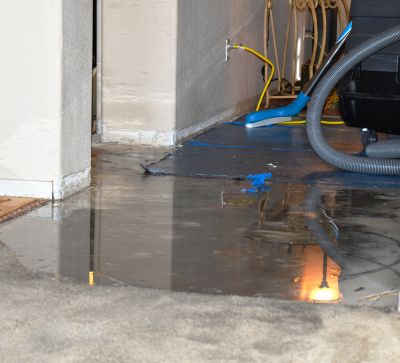
Perform water extractions immediately after flooding to minimize water absorption and prevent structural damage.
Schedule during dry weather to facilitate quicker drying and reduce the risk of mold development.
Address leaks or water intrusion as soon as detected to limit damage and moisture spread.
Regular inspections can identify moisture issues early, enabling timely water extraction.
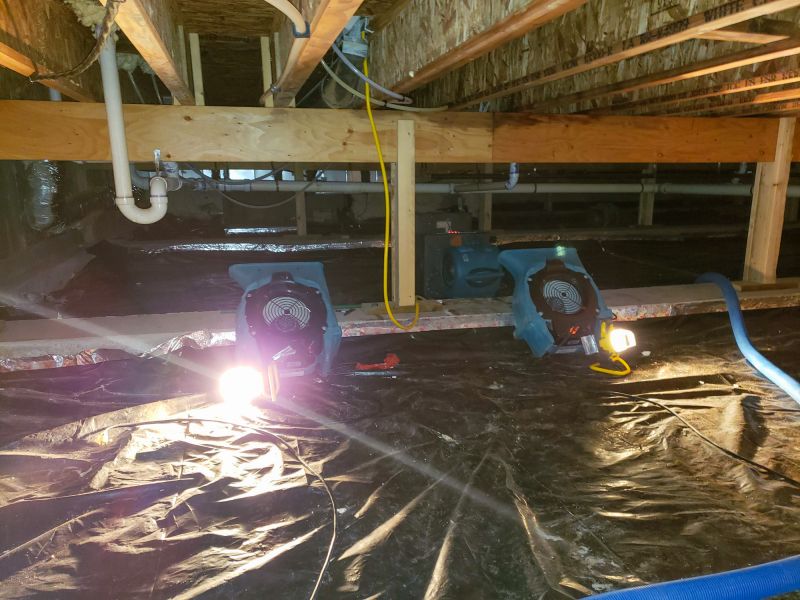
Ways to make Water Extractions work in tight or awkward layouts.
Popular materials for Water Extractions and why they hold up over time.
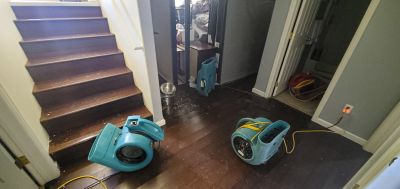
Simple add-ons that improve Water Extractions without blowing the budget.
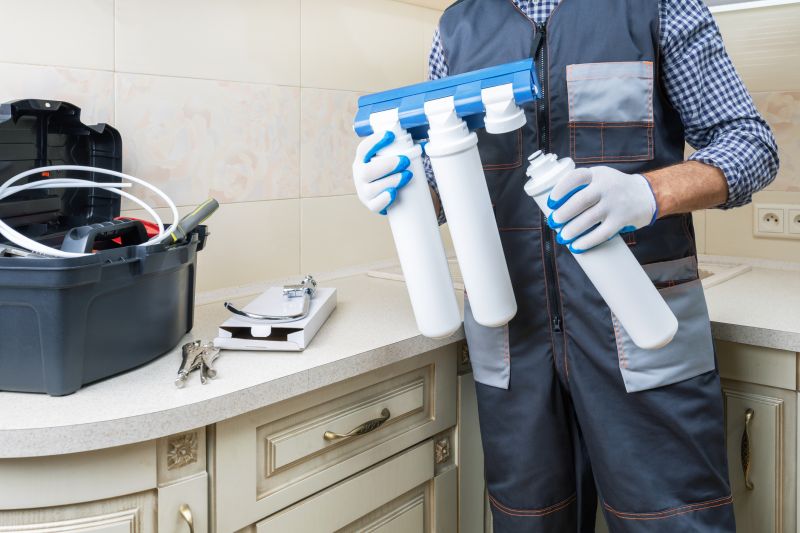
High-end options that actually feel worth it for Water Extractions.
Finishes and colors that play nicely with Water Extractions.
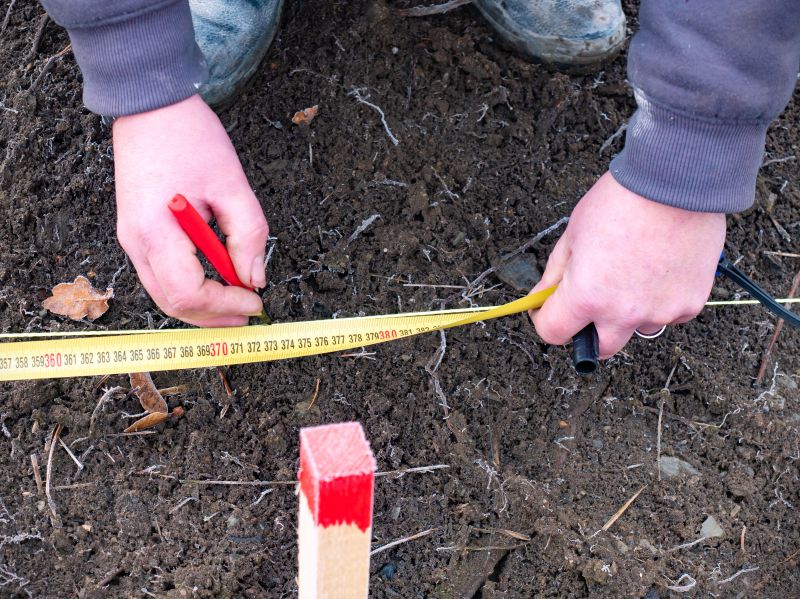
Little measurements that prevent headaches on Water Extractions day.
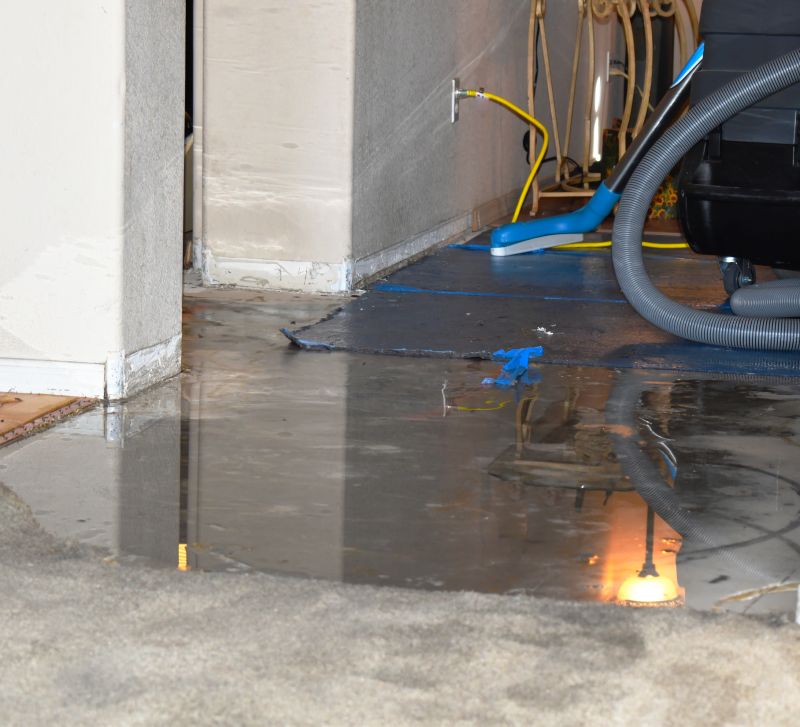
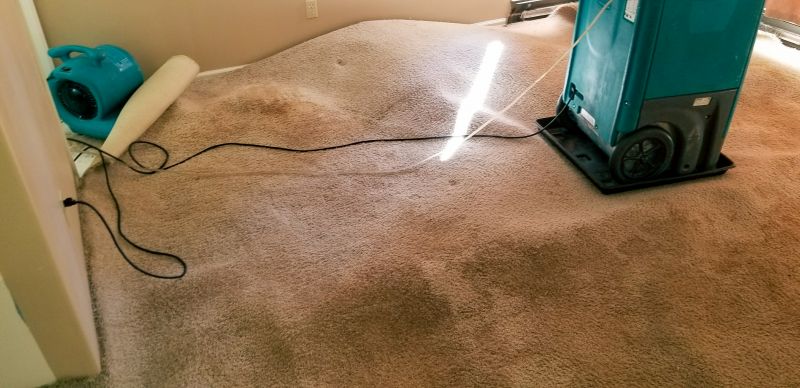
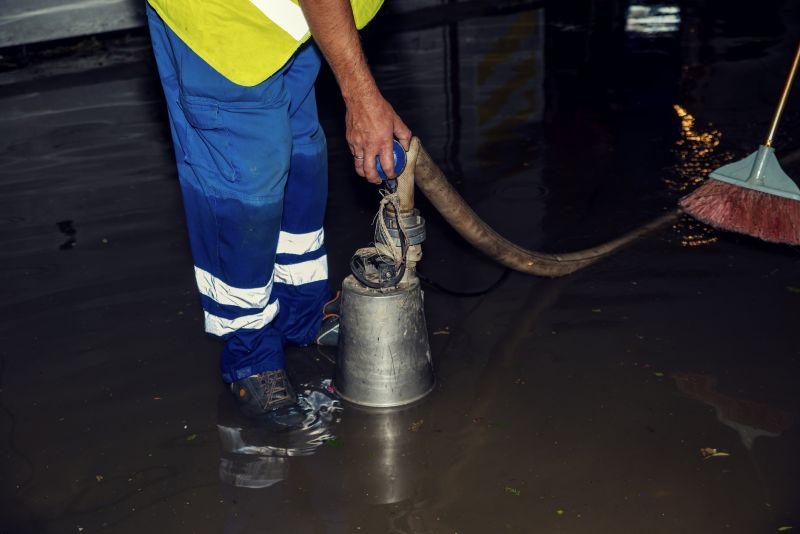
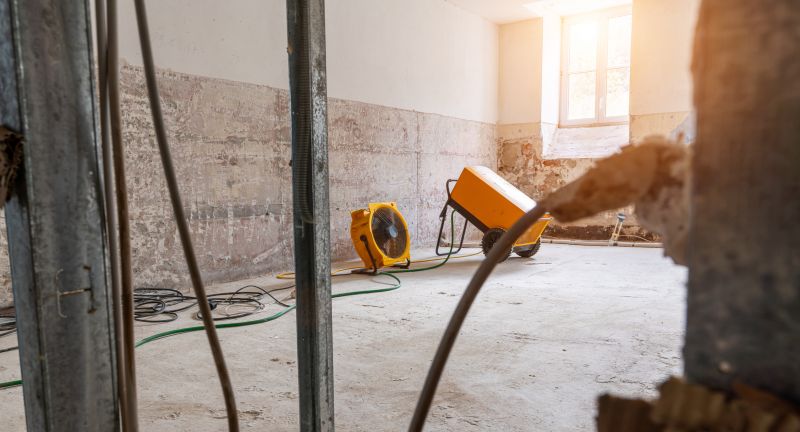
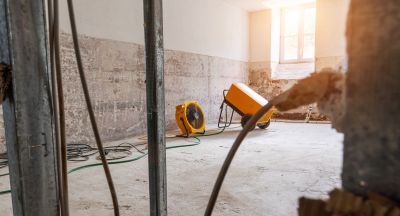
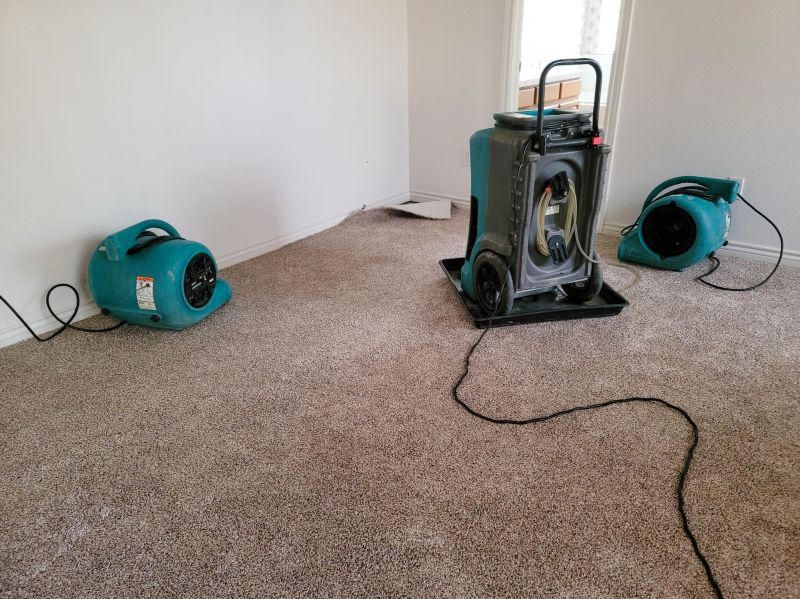
Water extractions involve removing excess water from affected areas to prevent further damage and mold growth. Effective extraction requires assessing the extent of water intrusion, choosing appropriate equipment, and executing timely interventions. Advanced tools like industrial wet/dry vacuums and high-powered extractors speed up the process, especially in large-scale incidents. Statistics indicate that prompt water removal can reduce drying time by up to 50%, minimizing structural impact and health risks.
The importance of scheduling water extractions at the right time cannot be overstated. Delays can lead to increased costs, prolonged drying times, and higher chances of mold development. Proper timing ensures moisture is addressed before it penetrates deep into materials, preserving the integrity of the structure and indoor air quality.
A 60-second routine that keeps Water Extractions looking new.
A frequent mistake in Water Extractions and how to dodge it.
Small tweaks to make Water Extractions safer and easier to use.
Lower-waste or water-saving choices for Water Extractions.
The short, realistic tool list for quality Water Extractions.
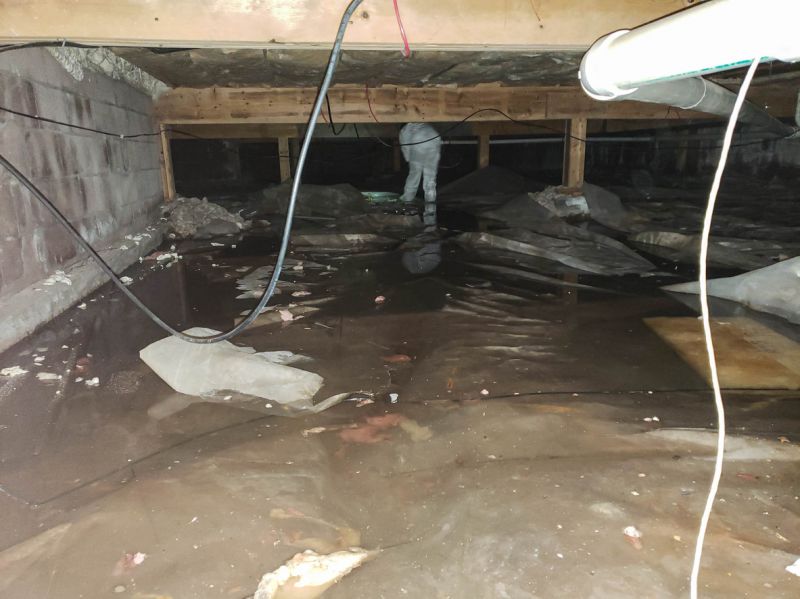
Rough timing from prep to clean-up for Water Extractions.
Quick checks and paperwork to keep after Water Extractions.
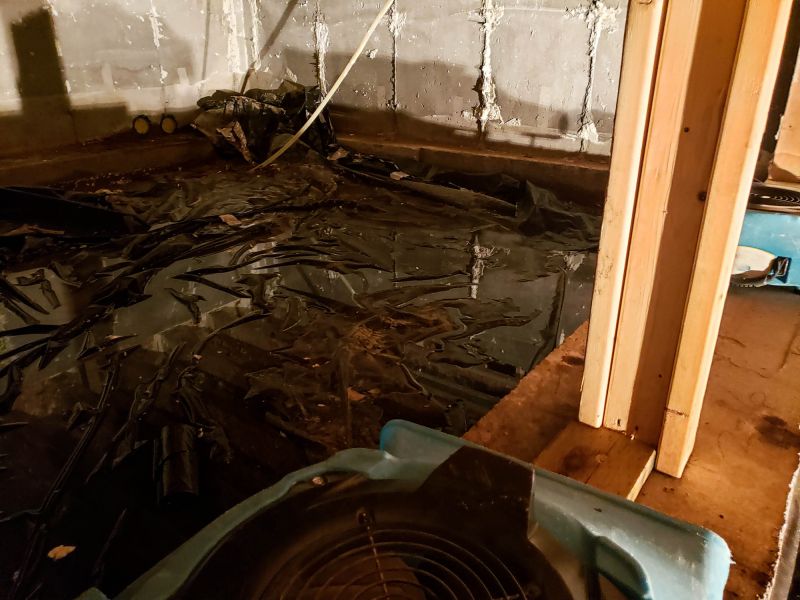
Examples that show the impact a good Water Extractions can make.
| Optimal Timing Factors | Details |
|---|---|
| Post-Flood Action | Immediate extraction reduces damage and mold risk. |
| Weather Conditions | Dry periods facilitate faster drying. |
| Leak Detection | Early intervention limits moisture spread. |
| Humidity Levels | Lower humidity improves drying efficiency. |
| Building Inspection | Regular checks help identify issues early. |
| Seasonal Factors | Avoid scheduling during high humidity seasons. |
Understanding the best timing for water extractions helps in planning effective remediation strategies. Proper scheduling minimizes structural damage, reduces health risks, and ensures a more efficient drying process. Consulting with professionals can provide tailored recommendations based on specific environmental conditions and damage extent.
Ways to make Water Extractions work in tight or awkward layouts.
Ways to make Water Extractions work in tight or awkward layouts.
Ways to make Water Extractions work in tight or awkward layouts.
Ways to make Water Extractions work in tight or awkward layouts.
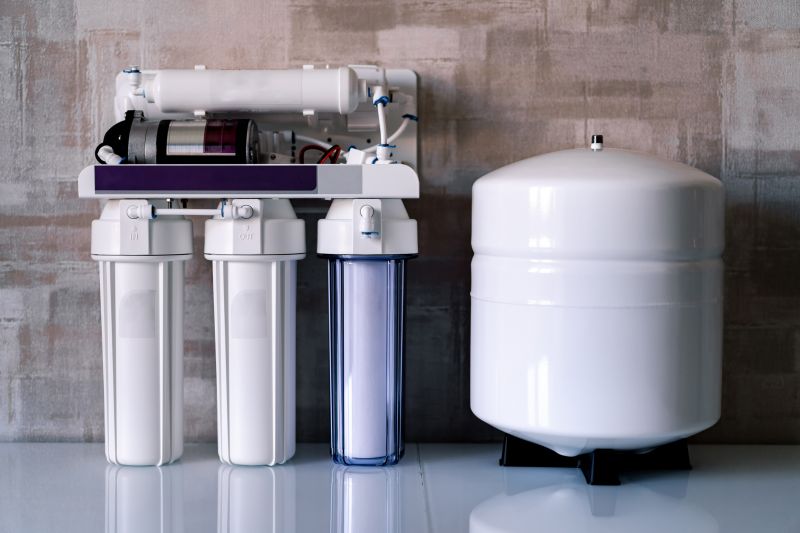
Ways to make Water Extractions work in tight or awkward layouts.
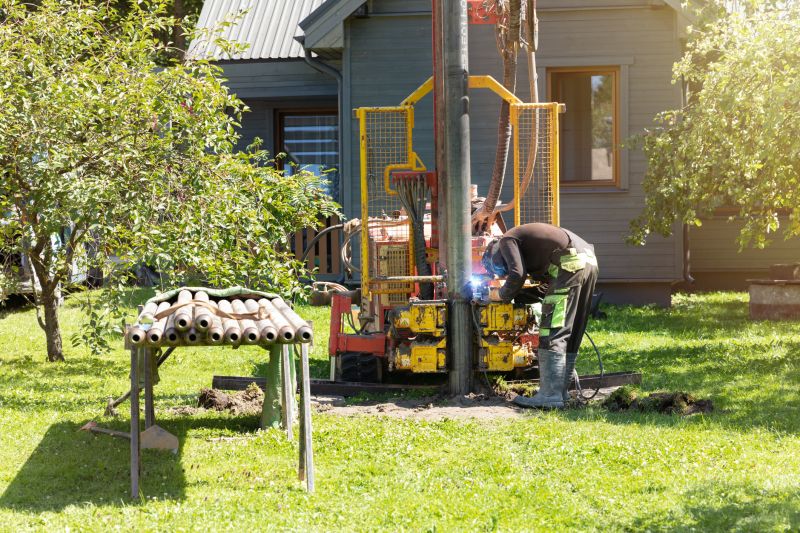
Ways to make Water Extractions work in tight or awkward layouts.
For those seeking further information or interested in scheduling water extractions, filling out the contact form provides a direct way to connect with specialists. Timely intervention is crucial for effective water damage management and preservation of property integrity.